


Introduction:
In today’s digital landscape, businesses rely heavily on software applications to streamline their operations and enhance productivity. Software as a Service (SaaS) has emerged as a popular solution, offering numerous benefits over traditional software deployment models. In this blog post, we will explore what SaaS is and discuss the best practices for managing enterprise SaaS apps effectively.
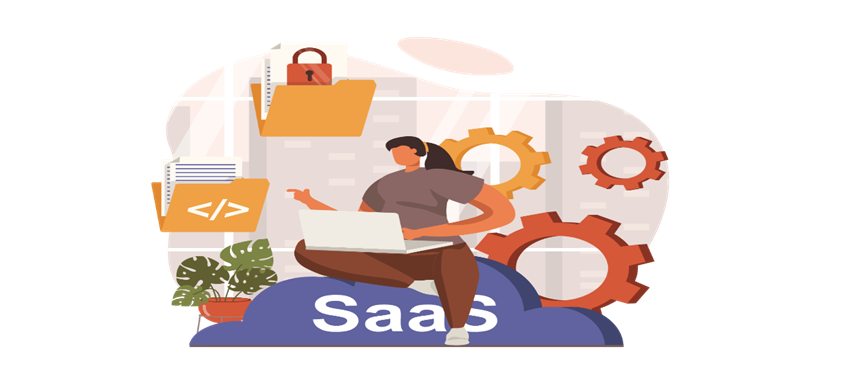
Understanding SaaS: Software as a Service (SaaS) refers to a cloud computing model in which software applications are delivered over the internet on a subscription basis. Instead of purchasing and installing software locally on individual devices, users can access SaaS applications through web browsers or dedicated client applications.
SaaS applications are hosted and managed by third-party providers, who handle the underlying infrastructure, maintenance, and updates. This relieves businesses of the burden of managing software on-premises, allowing them to focus on their core activities. Common examples of SaaS applications include customer relationship management (CRM) systems, project management tools, collaboration platforms, and human resource management software.
Advantages of SaaS:
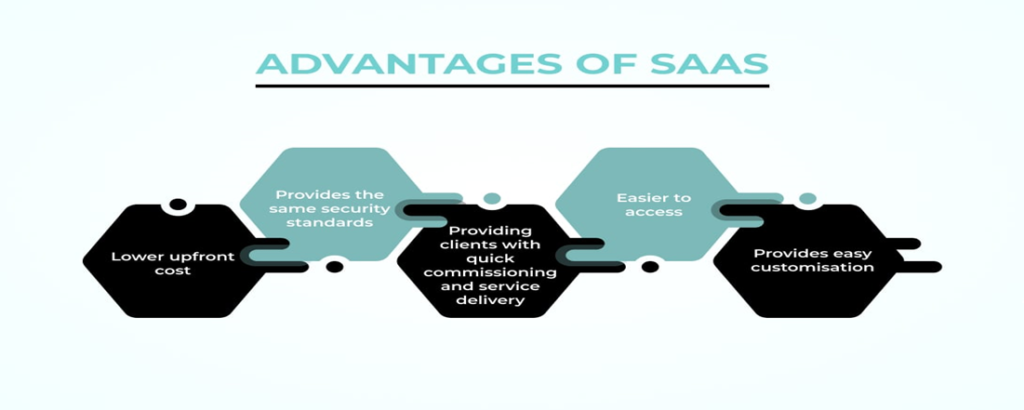
1. Cost-effectiveness: SaaS eliminates the need for upfront investments in hardware and software licenses. Instead, businesses pay a subscription fee, typically on a monthly or annual basis, based on their usage. This pay-as-you-go model reduces capital expenditure and allows for predictable budgeting.
2. Scalability and flexibility: SaaS applications are highly scalable, meaning they can easily accommodate growing or shrinking user demands. Businesses can easily add or remove users as needed without worrying about infrastructure limitations. Additionally, SaaS applications are often designed to integrate with other software, enabling seamless data exchange and workflow automation.
3. Accessibility and collaboration: Since SaaS applications are delivered over the internet, users can access them from any device with an internet connection. This enables remote work and enhances collaboration among teams working across different locations. Real-time data updates and synchronized information foster improved communication and productivity.
Best Practices for Managing Enterprise SaaS Apps:
1. Evaluate security and compliance: When choosing SaaS applications for enterprise use, prioritize security and compliance measures. Ensure that the provider employs robust data encryption, access controls, and regular security audits. Consider the provider’s compliance certifications and how they align with your industry regulations.
2. Centralize application management: As businesses adopt multiple SaaS applications, it becomes essential to centralize their management. Implement a centralized platform or system that allows IT administrators to oversee user access, monitor usage, and manage permissions across all applications. This reduces the complexity of managing multiple vendor relationships and streamlines application provisioning and de-provisioning.
3. Implement Single Sign-On (SSO): To simplify user authentication and enhance security, consider implementing Single Sign-On (SSO) for your SaaS applications. SSO allows users to access multiple applications with a single set of credentials, reducing the need for remembering multiple passwords. It also enables IT administrators to control user access and enforce strong authentication protocols.
4. Monitor application usage and performance: Regularly monitor the usage and performance of your SaaS applications to identify any potential issues or areas for optimization. Utilize monitoring tools to track application response times, uptime, and user experience. This proactive approach enables you to address performance bottlenecks promptly and ensure a smooth user experience.
5. Stay informed about updates and new features: SaaS providers often release updates and introduce new features to enhance their applications. Stay informed about these updates and evaluate their relevance to your business processes. Engage with the provider’s documentation, community forums, and customer support channels to leverage the full potential of your SaaS applications.


Leave a Reply